
100% Regenerative
Why Regenerative Farming?
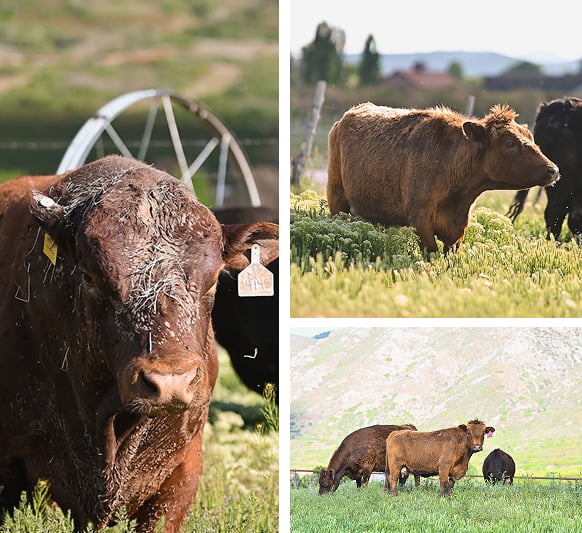
We take the saying “You are what you eat” seriously. That’s why we raise our Dexter cattle on open pastures, with real grass, fresh air, and zero shortcuts. Our ranch is rooted in regenerative agriculture, a practice that goes beyond sustainability to restore and heal the land actively.
Our pastures are never treated with synthetic fertilizers, herbicides, or pesticides. We enrich them with natural materials such as manure and basalt rock dust to support soil biology. Over time, this process deepens root systems, increases organic matter, improves water retention, and fosters a healthier ecosystem for future generations. The result is vibrant grassland, thriving wildlife, and cattle that are healthier, calmer, and better nourished.
Regenerative ranching isn’t just how we operate, it’s who we are. You are what you eat, and we’re proud to offer food that’s as honest and natural as the land it comes from.
Regenerative Beef vs Grass-Fed Beef: The Real Difference
The term “grass-fed” focuses on diet rather than land management principles. It tells you little about the land on which the grass grew. A farm can run cattle on a 100% grass diet with land that’s degrading year after year and still carry a grass-fed claim.
“Regenerative” is more than a marketing claim. It’s a farming method that focuses on improving and protecting the soil through careful practices. Farmers rotate cattle between pastures to let the grazed land recover. Natural fertilizers replace synthetic ones. Grass develops deep root systems, and forage grows with high mineral content.
The goal is a healthier system that starts with the soil. Healthy soil supports healthy pastures, and healthy pastures support the beef grazing on them. You can taste the difference.
When you buy grass-fed regenerative farm beef from Mahanaim Farms, you’re getting beef raised with both goals in mind. Grass-fed beef isn’t always raised using regenerative farming practices, and there’s no universal standard for the regenerative label. How Regenerative Land Management Affects Beef
The concept of “you are what you eat” also applies to our cattle. Healthy soil supports strong, nutrient-dense grass with deep roots. Cattle grazing on healthy, diverse pastures benefit from the quality of the forage they eat throughout their lives.
Regenerative raised beef starts with the land. Poor soil leads to weaker pastures, and the impact of those growing conditions can’t be changed when cattle reach the processing stage. That’s why regenerative farmers focus on building healthy soil and pasture from the beginning.
On a regenerative single-farm operation, the same people who raise the cattle also manage the land that those cattle graze. They rotate cattle between pastures to give the land time to recover, and this helps grass grow strong and retain moisture and minerals. Cattle raised on these pastures have more time to mature before processing, which creates a quality difference you can taste.
Dexter cattle are particularly well-suited as regenerative farm beef. These smaller heritage cattle put less pressure on pastures than the large-frame commercial breeds that dominate the industry. They graze and forage efficiently without damaging or compacting the soil, which helps with using the land carefully over time.
What to Look for with Regenerative Farming
“Regenerative” appears on more beef labels each year. The term is often used to signal care in managing cattle and land, but practices can vary from farm to farm. Some farms focus on actively improving soil and pasture health, while others may only follow some regenerative practices.
That’s why it’s important to look beyond the label and learn how a farm actually operates.
Here are a few questions to ask when evaluating a regenerative farm:
How do you manage your pastures? Look into how the farm supports soil health, controls weeds and pests, and gives pastures time to recover between grazing periods. Also, ask how chemical fertilizers, herbicides, and pesticides fit into the farm’s approach to soil and pasture health.
How long have you used regenerative farming practices? It can take years to improve soil. A farm that’s managed its land this way for a long time may have healthier soil and stronger pastures than one that only recently adopted regenerative practices.
Do you raise your cattle from conception through processing? A farm that manages cattle throughout their lives has greater influence on how they’re raised and what they eat. A farm that sources cattle from external breeders may have less control over those early stages.
If you’re looking to buy grass-fed regenerative beef near you, Mahanaim Farms offers online ordering with local pickup in the Salt Lake City area.
How Mahanaim Farms Manages Its Regenerative Pastures
Mahanaim Farms is a small, family-owned farm in central New Mexico. We raise heritage Dexter cattle from birth to butchery on our open pastures. Our regenerative farming practices focus on improving soil health naturally and providing our cattle with consistent care throughout their lives.
We add two natural materials to our fields to support soil health: manure and basalt rock dust. We spread hundreds of truckloads of manure each year to return nutrients and microbes to the soil, helping support healthy pasture growth. Basalt is a volcanic rock that adds natural phosphate and trace minerals to the soil.
These aren’t shortcuts for growing grass quickly. They’re long-term investments in healthier soil and its ability to grow nutritious forage over time.
Our cattle spend around 30 months grazing these pastures, roughly twice as long as many commercial grain-finished cattle take to reach processing. That extra time allows them to graze, mature, and benefit from the high-quality pasture throughout their development. The result is beef with better taste and texture.
Order Regenerative Grass-Fed Beef From Mahanaim Farms
Mahanaim Farms raises 100% grass-fed and grass-finished Dexter beef on a regenerative single-farm operation. Our cattle are raised from birth to butchery on land actively managed to improve over time, and every cut is dry-aged for at least 14 days.
Bring home beef you can trace back to the farm and the soil where it was raised. Order online from the Mahanaim Farms butchery. Our cuts include:
- Bone-in ribeye steak
- New York strip steak
- Filet mignon
- Brisket
- Short ribs
- Ground beef
FAQs
How is regenerative grazing different from conventional grazing?
Conventional grazing often keeps cattle in the same pasture for extended periods, preventing grass from fully recovering between grazing cycles.
Regenerative grazing moves cattle among smaller pasture areas, giving the grass and its root systems weeks or months to recover before the herd returns. This helps protect the soil and keeps pastures productive over time.
A well-managed regenerative pasture can continue producing nutritious forage season after season rather than becoming depleted by repeated grazing.
Why does it take years to improve soil through regenerative farming?
Healthy soil develops slowly. Plant material breaks down over time, adding nutrients to the soil and supporting the organisms that help plants grow. Grass roots can also grow deeper when pastures have enough time to recover between grazing periods.
When you buy regenerative grass-fed beef online, it helps to look at how long a farm has managed its land this way rather than relying on the label alone. A farm that’s used regenerative practices for years has had more time to improve its soil and pastures than one that recently adopted them.
What is basalt rock dust, and why does a regenerative farm use it on its pastures?
Basalt is a volcanic rock that contains naturally occurring minerals, including silica, calcium, magnesium, and phosphate. When it’s ground into a fine dust and spread over a pasture, it breaks down slowly, adding trace minerals to the soil. This supports nutrient-dense grass and forage.
At Mahanaim Farms, we spread basalt rock dust across our property, along with manure from our cattle. Both of these enhancements are part of our long-term approach to building healthier soil and nutritious pasture rather than relying on quick fixes.
How does using manure as a natural fertilizer work, and is the beef safe to eat?
Using manure from our cattle returns nutrients from grazing back to the soil. It also adds natural materials and microbes that help support healthy grass and forage.
From a food safety standpoint, manure is used on the pasture and does not come into direct contact with the beef during or after processing.
How does regenerative land management affect the taste of the beef?
The flavor of the beef is influenced in part by the quality and diversity of what the cattle eat throughout their lives. Healthy soil supports a strong, diverse pasture that provides forage for grazing.
At Mahanaim Farms, our Dexter cattle spend 30 months grazing these nutrient-dense pastures as they grow and develop. That longer grazing period helps shape the beef’s fat, muscle, taste, and texture. The dry-aging process then helps develop and concentrate its flavor.
What happens as a regenerative farming system improves over time?
Regenerative farming is a long-term process. As soil and pastures improve over the years, they can support stronger grass and a wider variety of forage for grazing cattle. This quality compounds over seasons.
That’s one reason to ask how long the farm has practiced regenerative land management when you buy regenerative farm beef. A long history of consistent land management tells you more about the farm’s practices than a recently adopted label.
How do Dexter cattle specifically support a regenerative land management system?
Dexter cattle are a smaller heritage breed that works well for farms seeking to manage their pastures with regenerative practices.
Fully grown Dexters typically weigh around 900 to 1,000 pounds, compared with conventional commercial cattle that weigh around 1,500 to 2,000 pounds. Their much smaller size puts less pressure on the land they graze, helping protect pasture conditions and reduce soil compaction. This allows the grass to access the water it needs to develop deep root systems.
Dexter cattle are also efficient grazers that can thrive on grass and other forage without grain. Their calm temperament makes them well-suited to the frequent pasture used in rotational grazing.
Can a single regenerative farm compete with the quality of large grass-fed beef producers?
A small single-farm operation has some advantages over its larger competitors in terms of consistency and transparency. It can manage cattle throughout their entire lives, from birth to butchery, and track each animal’s genetic history. It can also make land management decisions based on the specific conditions of one property.
Large commercial grass-fed operations may source cattle from several farms within a supplier network. This means their cattle may have been raised under unknown conditions and management practices.
When you search for regenerative beef farms near me, look for a direct-from-farm operation. That gives you one farm with one set of management practices to research, instead of a branded supply chain with sourcing gaps you can’t evaluate. It’s easier to vet regenerative-farming claims in a single-farm operation.
How does a regenerative farm manage weeds and pests without synthetic herbicides or pesticides?
Healthy pastures can help control weeds and pests naturally, reducing or eliminating the need for chemical treatments.
Strong grass competes with weeds for light, water, and nutrients. Rotational grazing also gives desirable grass species time to recover between grazing periods, helping them compete with more aggressive weeds.
A diverse pasture can also support insects and other organisms that naturally keep the ecosystem in balance.
How does the New Mexico location near the Rio Grande affect the pastures and cattle?
Central New Mexico’s long growing season and abundant sunlight support grass and forage during the active growing season. The Rio Grande corridor provides access to natural water sources that help support pasture growth during drier periods.
Native grasses in this region tend to be drought-resistant and develop deep root systems that build healthier soil over time. Mahanaim Farms also adds basalt rock dust across the property to provide trace minerals that complement the area’s natural soil and growing conditions.
When you buy regenerative beef online from Mahanaim Farms, you’re buying beef raised on the high-desert New Mexico pasture where our Dexter cattle graze for over 30 months.