
When you are looking for the best cut of beef, you face packages that look nearly identical. Usually, shoppers reach for the brightest cut with the whitest veining and don’t think twice. They seem to be the freshest and most flavorful.
The beef industry is aware of the preference for bright red meat and has spent decades engineering and manipulating products to get it. The problem is that color and quality have almost nothing to do with each other.
Where Beef Color Really Comes From
If you zoom in to the microscopic level, you’ll find that raw beef gets its color almost entirely from the myoglobin protein. Myoglobin lives in muscle tissue, where it stores oxygen for the animal’s cells. Typically, the more active the muscle, the more myoglobin it carries. This protein is why cuts from the shoulder or leg are usually darker than cuts from the loin, even if they came from the same animal.
During butchering, the meat is a deep purple-red color, closer to the color of a ripe plum than the cherry red most shoppers expect. That’s because when a muscle is first cut, the exposed myoglobin hasn’t yet come into contact with oxygen.
When the burgundy-colored myoglobin protein comes into contact with the air, it chemically binds with oxygen and turns into bright red oxymyoglobin. The change in the meat’s color is called blooming, and it takes about 20 to 30 minutes of air exposure.
Blooming is entirely cosmetic; nothing else about the meat changes.
Why Grocery Store Beef Stays So Red
Bright red meat sells. That preference hasn’t gone unnoticed by retailers and suppliers, and it’s changed how beef is traditionally packaged.
Most supermarket beef is sealed in modified atmosphere packaging. This process replaces the air inside a package with a carefully selected blend of gases. It’s usually a combination of oxygen, carbon dioxide, and carbon monoxide.
Oxygen, as we know, binds to myoglobin, giving the meat its vibrant color. Carbon dioxide prolongs shelf life, and carbon monoxide maintains the color longer. This packaging means those bright red steaks you see on the shelf might not be the freshest cuts available.
While this process is legal and standard practice in the United States, many other countries have banned the use of carbon monoxide in meat packaging because it can hide spoilage. The industry has figured out how to make old meat look new and is focused on profit, not quality.
The Truth About Dark and Purple Beef
Dark-colored beef makes most shoppers hesitant. A cut that’s deeply purple or brownish-red seems suspicious. Especially next to bright red commercially packaged cuts.
Purple or dark beef is almost always vacuum-sealed. The oxygen has been removed, so the meat hasn’t bloomed yet. Pull that steak out of the bag, set it on the counter for 20 to 30 minutes, and it will turn red on its own.
When meat is allowed to bloom naturally, without packaging manipulation, the only thing that changes is the color. The meat still retains its flavor and texture.
When meat has been processed using modified atmospheric packaging, the high oxygen saturation and carbon dioxide can make the meat tougher and develop a stale taste.
The only situation where a deep color is a concern is when the meat is brownish or grayish and has an off odor. The combination of color and smell means the cut has begun to spoil and may be unsafe to eat.
How Pasture-Raised Beef Looks Different
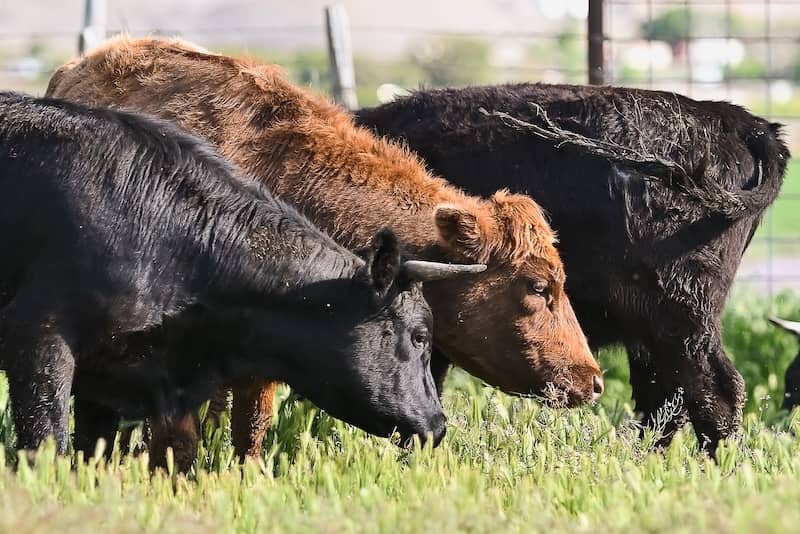
Pasture-raised beef is nearly always darker than what most shoppers see at conventional grocery counters.
Myoglobin is again the reason. Cattle raised on open pasture, grazing on a variety of natural grasses and forage, develop higher concentrations of myoglobin in their muscle tissue. Grain-finished beef, fed on a processed diet designed to accelerate growth, usually has lighter, more uniform coloring. The more myoglobin, the more nutrient-dense and flavorful your beef is.
Not only does pasture-raised beef have a deeper muscle color, but the fat color is also different.
Cattle raised on grass produce fat with elevated beta-carotene content, giving it a cream or golden tone rather than the stark white fat from grain-finished animals. That yellow-tinted fat provides more antioxidants and Vitamin A while improving the meat’s flavor.
What Actually Signals Beef Quality
If your beef is bright red, the only thing you can be sure of is that it’s been exposed to oxygen. If you want a great cut, look for:
- Marbling: Intramuscular fat, the fine network of fat woven through the muscle tissue itself, contributes directly to flavor and tenderness during cooking. Look for a fine, even distribution of fat within the flesh, sometimes called spider marbling for the web-like pattern it creates.
- Smell: Fresh beef smells clean, with a faint metallic quality. Beef that has turned smells sour, rancid, or sharp, sometimes with a slight ammonia note. Smell can tell you how fresh beef is much more than color can.
- Origin: No color, packaging, or retail label can make up for a poor origin story. Pick 100% grass fed beef.
The Color Myth
Manufacturers and retailers have duped the average beef consumer into equating bright red beef with quality. The things that actually indicate great beef get ignored.
A dark, purplish cut with creamy marbling, raised on open pasture, is almost always a better piece of beef than the gas-treated, cherry-red steak sitting in a refrigerated case for a week. Pay attention to where the beef came from and how it was raised. The answer makes a much bigger difference than how bright the color is.