
Filet mignon is often the cut people save for anniversaries, graduations, and dinners that need to feel special. It comes from the tenderloin, the most tender cut on the steer.
Grass-fed filet mignon can be tricky to cook, since grass-finished beef tends to be leaner than conventional grain-finished beef, and usually has less fat to buffer the heat. The fix is simple: treat the cut gently and watch your temperature closely to get that buttery-soft bite filet is famous for.
Why Filet Mignon Is So Tender
The tenderloin runs next to the spine and is largely composed of the psoas major muscle. Unlike the shoulder, legs, and other load-bearing parts of the steer, the tenderloin doesn’t do much heavy lifting.
Less work means less connective tissue, which is why filet mignon starts out tender. It doesn’t need the long, slow cooking that tougher cuts like chuck roast require.
That tenderness also explains why filet deserves a light touch in the kitchen. There isn’t tough collagen that needs hours to break down. Your job is simply to build a good crust while keeping the center from overcooking.
What Grass-Finished Dexter Beef Adds
The tenderloin is naturally tender regardless of breed or diet, but those factors still shape the steak you put on the plate.
Grass-finished beef tends to be leaner than grain-finished beef, which means less fat to protect the filet if it’s over the heat for too long. That’s why temperature control becomes so important with a lean cut.
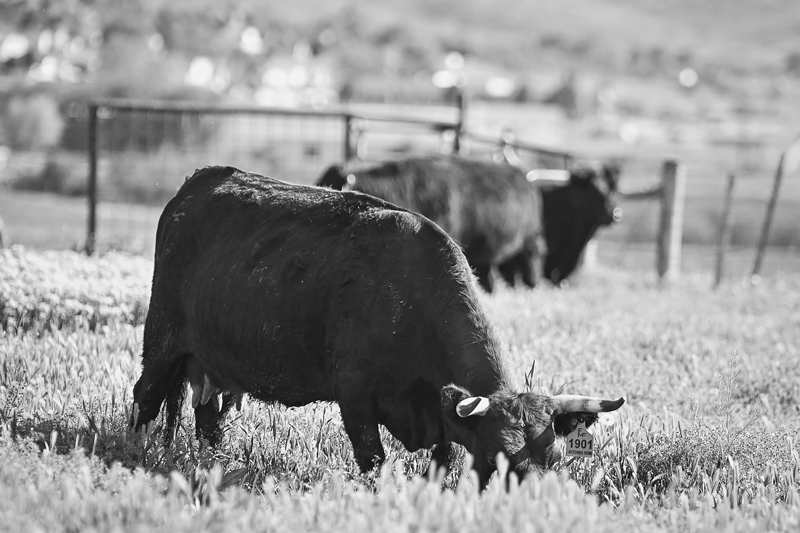
Dexter cattle add another element. This smaller, slow-growing heritage breed is known for fine spider marbling, with thin streaks of intramuscular fat through the muscle. That marbling adds richness and juiciness while the filet stays relatively lean and is one of the qualities that make Dexter beef steaks so distinctive.
Why Dry Aging Changes the Steak
Since filet is naturally tender, the biggest flavor payoff comes from dry aging.
During the aging period, natural enzymes help tenderize the beef while controlled moisture loss concentrates its flavor. Proteins and fats also change along the way, adding some of the deeper, savory notes associated with dry-aged beef.
It can also help with browning. Because some moisture has already left the meat during aging, the surface can develop a beautiful crust quickly once it hits the pan.
Simple Prep for a Delicate Cut
Filet doesn’t need much before cooking, and simple seasonings let the meat shine.
There’s no need to bring the filet to room temperature first. A short rest on the counter doesn’t warm the center enough to make a difference, which means you can cook it straight from the fridge.
What does make a difference, though, is when you salt the filet. The salt first draws moisture to the surface, then dissolves into that moisture and works its way back into the meat. This seasons the steak more deeply and helps it stay juicy as it cooks, but the process takes time.
Pat the steak thoroughly dry with paper towels, then coat it well with kosher salt on both sides and along the edges.
If you have time to plan ahead, place the salted filet in the fridge overnight, uncovered. If you’re cooking the same day, let the salted steak rest as long as you can.
Once you’re ready to cook, dry again with a paper towel to get rid of any surface moisture, since a dry surface will give you a better crust and sear. Add cracked black pepper to both sides and the edges.
Skip a marinade unless you specifically want its flavor. Filet is already tender, so it doesn’t need a marinade to soften the meat.
The Sear-and-Oven Method
A thick filet mignon benefits from a cast-iron sear followed by an oven finish. This gives you a crisp exterior with good control over the center.
- Heat the oven. Preheat to 400 degrees Fahrenheit.
- Heat the skillet. Place a cast-iron skillet over medium-high to high heat until it’s very hot. Add a small amount of beef tallow, avocado oil, or clarified butter. It’s ready for the steak when the oil shimmers or just begins to smoke.
- Sear the first side. Place the dry, seasoned filet in the skillet and leave it alone for about two minutes until a dark crust forms.
- Flip the steak. Sear the second flat side for about two minutes.
- Brown the edges. Use tongs to hold the steak on its side and briefly sear the edges, about 30 seconds each side.
- Finish in the oven. Transfer the skillet to the oven. Cook until the steak approaches your preferred internal temperature.
- Rest the steak. Transfer the filet to a cutting board to rest for five to seven minutes before serving.
For even more control, try a reverse sear. This method takes longer, but the gentle initial heat gives a thick steak a more even interior from edge to edge.
Place the filet on a wire rack over a rimmed baking sheet and cook it in a 200-degree oven. As the steak approaches 10 to 15 degrees below your final target, heat a cast-iron skillet as noted in step 2. Once the filet reaches your target temperature, transfer it directly from the oven to the hot skillet and follow steps 3 through 5 for the sear. A reverse-seared steak doesn’t need the same rest, so you can serve it once it’s browned on all sides.
Watch the Thermometer, Not the Clock
Thickness, marbling, cooking method, and the steak itself can all affect timing, which is why the thermometer is usually more reliable than the clock.
Insert an instant-read thermometer horizontally through the side of the filet so the tip reaches the center of the thickest part.
Many cooks prefer a rare or medium-rare filet mignon because the meat stays tender and juicy at lower temperatures. A steak will also continue to rise several degrees after it is removed from the heat. Be sure to account for that carryover as you choose when to pull it from the heat.
The Finishing Touches
Filet works well with rich finishes because the cut itself is so lean.
Compound butter is one of the easiest choices. Mix softened butter with fresh thyme, minced garlic, and lemon zest to taste. Add a small amount to the steak while it rests. The butter melts over the crust without covering up the beef.
You can also make a quick pan sauce. While the steak rests, place the skillet over medium heat and briefly cook some minced shallot. Deglaze the pan with red wine or beef stock, scraping up the browned bits from the bottom, and let the liquid reduce until glossy; this takes about four minutes. Whisk in a small piece of cold butter before serving.
Keep the side dishes simple. Roasted asparagus, potatoes, mushrooms, or a crisp green salad all work without competing with the filet.
A Cut Worth Treating Well
A grass-fed filet mignon doesn’t need complicated cooking. It needs restraint.
The tenderloin is soft and buttery from the start. Grass finishing shapes the beef’s character, while the spider marbling in a Dexter beef steak adds richness to an otherwise lean cut. Dry aging can deepen the flavor even further.
At that point, the cook’s job is to stay out of the way. Simple seasonings and the right technique will create a flavorful, tender steak with a good crust.