
Grass-fed dry-aged beef tastes different. It has a richer, more concentrated flavor and a more tender texture than the wet-aged beef you’ll find in most grocery stores. But what actually creates those differences?
The answer comes from several natural changes that happen during aging. Let’s take a closer look at how moisture loss, enzymes, and chemical reactions contribute to dry-aged beef’s unique texture and flavor.
What Dry Aging Involves
The dry-aging process begins with storing beef in a carefully controlled environment. Temperature, humidity, airflow, and sanitation all affect how the beef ages.
Airflow helps moisture leave the surface evenly, while humidity needs to be balanced so the meat doesn’t dry too quickly or retain too much moisture. Clean, consistent conditions also help limit unwanted bacterial and mold growth. It’s a much more involved process than simply leaving beef uncovered in a refrigerator for a few weeks.
Most grocery store beef, on the other hand, is vacuum-sealed and wet-aged. The package limits moisture loss and air exposure while natural enzymes continue tenderizing the meat.
Dry aging sets several natural chemical and enzymatic processes in motion that change the meat’s flavor and texture. The dried exterior is trimmed away at the end of the aging process, before the meat is cut and packaged.
How Moisture Loss Changes the Flavor
Because there’s less water in dry-aged beef, the existing flavor intensifies, much like reducing a sauce on the stove.
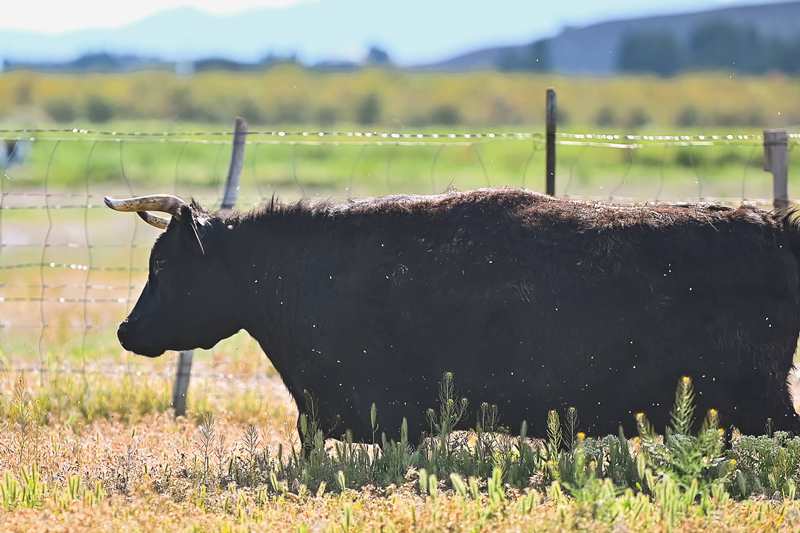
This makes a big difference for grass-fed, grass-finished beef, where the flavor of the starting meat is already shaped by factors such as breed, diet, and maturation. Heritage breeds like Dexter cattle can also have distinctive fat characteristics, adding another layer of flavor that dry aging builds on.
But water loss is only part of what affects the flavor of dry-aged beef. The dry-aging process also changes the proteins and fats themselves.
How Chemistry Affects Dry-Aged Beef
As beef dry-ages, natural enzymatic processes make the meat more tender while chemical changes contribute to its developing flavor. These processes happen when the meat is given the right conditions and enough time.
Beef is muscle, which is made of fibers held together by proteins. Living animals use natural enzymes to constantly build and break down these proteins as part of normal body function. After the animal is processed, those enzymes don’t stop immediately. They remain active for a time.
In the dry-aging environment, those enzymes keep working slowly. They break down some of the bonds holding the muscle fibers together. The muscle loosens, creating a more tender texture.
As beef dry-ages, proteins break down into smaller compounds, including amino acids and peptides, that contribute to the meat’s developing flavor. Oxygen also reacts with the meat’s fats, creating additional compounds that contribute to the meat’s aroma. These changes create the building blocks for the flavor profile that sets dry-aged beef apart.
Some of the compounds formed during aging contribute to aroma, a major part of how we perceive flavor. That’s why dry-aged beef can smell and taste noticeably different even when it’s prepared with the same simple seasoning as fresh steak.
Why the Time Period Counts
In the first days of aging, the effects are modest. Moisture begins to leave the surface. Enzyme activity starts. But the flavor and texture changes that make dry-aged beef worth seeking out take longer than just a few days to become noticeable.
As aging continues, the flavors keep changing, but longer isn’t always better. Extended aging can move the flavor profile from nutty and umami to sour and oxidized. Tenderization also slows considerably, so aging longer doesn’t necessarily produce a noticeably more tender steak.
At Mahanaim Farms, we dry-age our beef for at least 14 days. That’s typically the shortest time we find produces noticeable changes in flavor and texture. We use a whole steer dry-aging process, allowing the beef to age together before it’s butchered into individual cuts.
You really notice the effects of dry-aging once you cook the beef. The heat brings out the roasted, meaty, and barbecue-like aromas that contribute to the distinctive flavor of dry-aged beef.
Why the Starting Beef Makes a Difference
The dry-aging process doesn’t erase the characteristics of the beef you start with. Breed, diet, age, and fat composition all help shape beef’s flavor before aging begins. The dry-aging process then adds its own changes to that starting flavor.
When you buy grass-fed, grass-finished beef online from Mahanaim Farms, you’re getting beef whose flavor has been shaped by the cattle’s breed, diet, and time on the pasture before the aging even begins. Our Dexter cattle mature on pasture for about 30 months, giving those characteristics time to develop. Dry aging then builds on that high-quality foundation, adding its own changes in flavor and texture.