
Chuck roast rewards patience. This shoulder cut contains plenty of connective tissue that needs time to soften. A long, slow braise can turn it into tender beef that pulls apart with a fork.
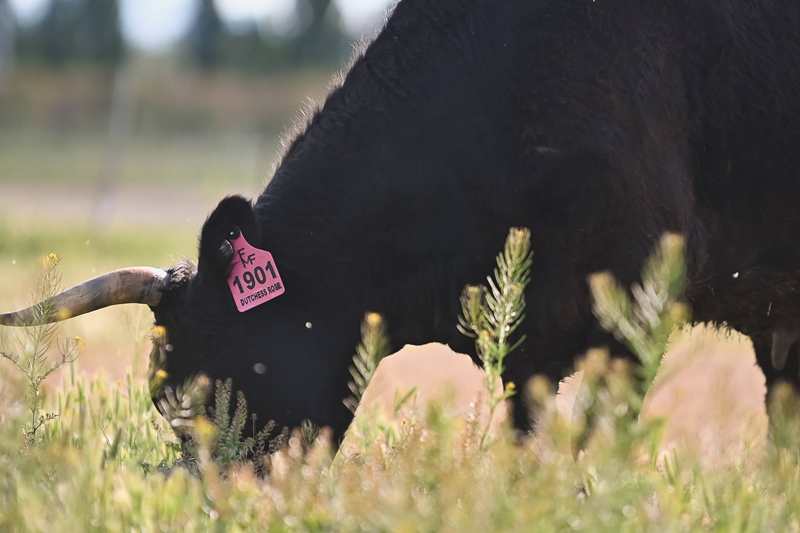
Grass-fed chuck roast from heritage Dexter cattle brings its own character to the dish. There are just a few simple steps between you and a melt-in-your-mouth chuck roast.
Why Chuck Roast Is Made for Slow Cooking
Chuck comes from the shoulder, one of the most active muscle groups on a steer. All that movement creates dense muscle and plenty of connective tissue.
That connective tissue contains collagen, which breaks down into gelatin as the roast cooks slowly in liquid. This gelatin helps give the roast its tender texture and adds body to the braising sauce.
High heat can’t rush this process. It makes the muscle tighten instead of relaxing before the collagen has time to break down. Low and slow is the way to go.
A finished pot roast should give easily when pressed with a fork. This usually takes at least three or four hours in a Dutch oven or most of the day in a slow cooker.
What Dexter Chuck Roast Brings to the Pot
Any chuck roast benefits from a long braise, but this method really brings out the unique qualities that set heritage Dexter cattle beef apart from conventional chuck roasts.
Dexter cattle are a smaller, slow-maturing breed that’s known for fine spider marbling. Thin lines of fat run through the muscle and slowly render as the meat cooks, providing both moisture and flavor. Slow braising pairs perfectly with the Dexter’s characteristics, creating a roast that’s fork-tender and savory.
Breed, diet, age, and fat all help shape the beef’s flavor. A grass-fed chuck roast also takes on characteristics developed over a lifetime spent eating grass and forage. A simple pot roast gives those qualities room to come through without drowning the meat in heavy seasonings or sauces.
Should You Use a Dutch Oven or a Slow Cooker
Both methods can produce a tender pot roast. The choice comes down to how much time you have and how involved you want to be.
A Dutch oven gives you more control from start to finish. You can sear the roast, cook the aromatics, deglaze the pot, and move everything straight into the oven without transferring the roast. The roast needs three to four hours to cook, making it a practical choice for a Sunday afternoon.
A slow cooker requires less attention. Once everything is inside, it can cook gently for most of the day. For the best flavor, sear the roast in a skillet first, then deglaze the pan with beef stock or red wine before transferring everything to the slow cooker.
What You’ll Need
You don’t need much to get a flavorful pot roast when you’re starting with a good cut of beef.
- 1 4-pound chuck roast: Look for visible fat marbling and connective tissue throughout the meat.
- Kosher salt and black pepper: Season the roast generously before searing.
- Cooking fat: Use a high-heat cooking fat, such as beef tallow, avocado oil, or olive oil, for searing the meat.
- Aromatics: Use two halved yellow onions, four to six whole garlic cloves, and two celery stalks cut into large pieces; these help build the braising liquid’s flavor.
- Root vegetables: Add four carrots, 1 1/2 pounds of Yukon Gold or red potatoes, and parsnips and/or turnips if desired. Cut them into pieces about 2 inches wide so they don’t become mushy.
- Beef stock: Braise with 2 to 3 cups of low-sodium beef stock.
- Fresh rosemary and thyme: Use just two or three sprigs of each herb. A little goes a long way!
- Red wine (optional): Add a splash of dry red wine as you deglaze the pan for extra depth.
How to Make a Pot Roast in a Dutch Oven
- Heat the oven. Preheat your oven to 325 degrees Fahrenheit.
- Season the beef. Pat the roast completely dry with paper towels. Season each side generously with kosher salt and black pepper.
- Sear the roast. Heat 2 tablespoons of tallow or oil in a Dutch oven over medium-high heat. Add the roast and don’t move it for about three or four minutes, until the first side develops a deep brown crust. Turn and repeat on the other side. With tongs, hold the roast upright and brown the edges as well. Transfer the roast to a plate.
- Cook the aromatics. Lower the heat to medium. Add the onion and celery to the pot and cook for a few minutes, stirring occasionally, until they are browned. Add the garlic and cook for another 30 seconds. Set these aside.
- Deglaze the pot. Add 1 cup of beef stock (and wine, if using) to the pot. Use a wooden spoon or whisk to loosen the browned bits from the bottom of the pot. Let the liquid simmer for a minute or two.
- Start the braise. Return the roast and any juices from the plate to the Dutch oven along with the onion, celery, and garlic. Pour in enough beef stock to bring the liquid about halfway up the sides of the roast. The beef should sit partly above the liquid rather than being completely submerged. Tuck the rosemary and thyme into the liquid. Cover the Dutch oven with a lid.
- Cook until tender. Transfer the Dutch oven to the oven. Cook for about 2 1/2 hours. Add the root vegetables around the roast and push them into the liquid. Cover the pot and return it to the oven. Cook for another 1 to 2 hours, for a total of 3 1/2 to 4 1/2 hours.
- Rest and serve. Remove the Dutch oven from the oven and let the roast rest in the braising liquid for about 10 minutes before serving. Taste the liquid and add more salt or pepper to taste. Spoon it over the meat and vegetables when serving.
For a thicker gravy, transfer the beef and vegetables to a serving dish. Simmer the cooking liquid on the stove. In a small dish, whisk one tablespoon of cornstarch with one tablespoon of cold water. Then whisk this slurry into the simmering liquid and cook until it thickens.
How to Make a Pot Roast in a Slow Cooker
Prefer a slow cooker? Follow the same seasoning, searing, and deglazing steps above, using a skillet instead of a Dutch oven.
Place the potatoes and carrots in the bottom of the slow cooker and set the seared roast on top. Add the onions, celery, garlic, rosemary, thyme, and deglazing liquid. Pour in additional beef stock as needed. You can use less liquid than in a Dutch oven, since a slow cooker holds on to more moisture.
Cover and cook on low for about 8 hours or on high for about 5 hours. The roast is ready when a fork slides easily into the beef and the meat pulls apart with little resistance.
Transfer the roast and vegetables to a serving dish. Season the cooking liquid to taste. Spoon it over the meal, or use the gravy instructions above for a thicker sauce.
A Pot Roast Worth the Wait
Pot roast doesn’t need a complicated technique or a long list of ingredients. Give a grass-fed, grass-finished roast enough time to braise slowly, and the connective tissue softens while the beef develops a rich, savory flavor.
Whether you use a Dutch oven or a slow cooker, the goal is the same: tender beef, flavorful vegetables, and a braising liquid worth spooning over everything on the plate.