

What to Know Before Ordering Grass-Fed Chuck Roast Online
Mom’s pot roast probably wouldn’t be the same without the humble beef chuck. This shoulder cut is the most popular for braising, and for good reason. It’s affordable, flavorful, and becomes mouthwateringly tender when cooked low and slow.
Our chuck roast comes from heritage Dexter cattle. After 30 months on regenerative pasture, we dry-age the whole steer to concentrate and amplify that Sunday dinner flavor.
You can order our grass-fed chuck roast online and get it shipped to your door, or pick it up in Salt Lake City.
What Makes Chuck Roast Good for Braising
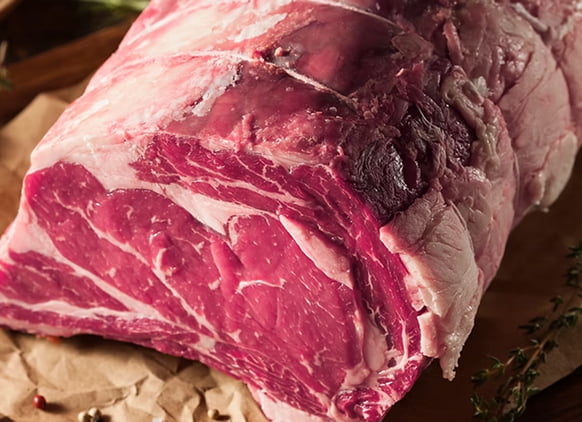
The chuck comes from a steer’s neck and shoulder, where the muscles do some of the hardest work. Because these muscles are used constantly, they develop a lot of connective tissue and good intramuscular fat.
That unique combination is exactly what makes chuck roast such an exceptional braising cut. As it cooks low and slow, the collagen gradually breaks down into gelatin, giving the cooking liquid a rich, silky texture. At the same time, the marbling slowly renders through the meat, keeping it moist and adding flavor.
Leaner braising cuts, like the shank or brisket flat, don’t have the same balance, and don’t pro produce the same result.
Most chuck roasts are sold boneless and weigh between 2 and 4 pounds, making them an ideal size for a Dutch oven or slow cooker. One roast can typically feed four to six people, with leftovers that reheat beautifully over the next few days.
Grass-Fed Chuck Roast vs. Conventional
Most chuck roasts at grocery stores and mainstream retailers come from grain-finished commercial Angus cattle processed at 16 to 18 months. The shoulder muscles at that age have done some work, but are still relatively young. The marbling on these cuts is chunkier and reflects a grain-heavy diet rather than natural development over time.
A grass-fed and grass-finished chuck roast from our heritage Dexter cattle isn’t harvested until at least 30 months. This gives the muscle nearly twice as long to develop marbling and connective tissue, all on regenerative pasture.
The fat in the Dexter shoulder is distributed as spider marbling integrated throughout the muscle tissue, rather than the thick bands of marbling produced by grain finishing. In the braise, this integrated spider marbling fat distributes richness more evenly throughout every bite rather than concentrating in specific sections.
The beef flavor in a 30-month grass-finished chuck is stronger and more developed than that of a commercial chuck at half the age. The shoulder muscles have had time to develop a more savory character from the longer time spent grazing on diverse pasture. That flavor comes through in a braised grass-fed beef chuck roast.
Out of stock
What You Can Make With a Chuck Roast
The chuck roast from a heritage Dexter steer is typically smaller than what you find with commercial Angus chuck, due to the breed’s smaller size. You still get the great balance of collagen and marbling, but in a size that better fits a home Dutch oven or slow-cooker.
The chuck roast is the most versatile of the braising cuts because of its balance of collagen and marbling. Fully braised chuck roast works well as the centerpiece of the meal or as an ingredient. Use it for dishes like:
- Pot roast
- Beef stew
- Sandwiches
- Tacos
- Grain bowls
For all these, use the slow cooker for a more hands-off preparation. Sear the roast first, add the aromatics and liquid, set to low, and after 8 to 10 hours, you’ve got a finished braise.
What Makes Our Dexter Chuck Different
The chuck roast from a heritage Dexter steer is typically smaller than what you find with commercial Angus chuck, due to the breed’s smaller size. You still get the great balance of collagen and marbling, but in a size that better fits a home Dutch oven or slow-cooker.
Our Dexter beef undergoes whole-steer dry aging. Unlike most commercial processors, who only dry-age their premium cuts, we dry-age the entire animal.
Dry-aging chuck concentrates the flavor. This can mean less seasoning and work compared to a fresh-cut chuck roast. The braising liquid also gets a savory flavor boost unique to dry-aged beef.
How Mahanaim Farms Raises Its Cattle
Mahanaim Farms is a single-farm operation along the Rio Grande River in central New Mexico. We breed, raise, and finish every animal on the same property from conception to plate. Our heritage Dexter cattle reach maturity at around 30 months and are raised on regenerative pastures managed without synthetic fertilizers, herbicides, or pesticides.
After processing at a USDA facility, the entire animal is dry-aged for at least 14 days before cutting. The chuck roast goes through the same whole-steer dry-aging program as every other cut in the butchery.
Where to Buy Grass-Fed Chuck Roast
This popular cut is widely available. You can find it at your local grocery store, wholesale clubs, and online retailers. The problem is that the quality and source vary enormously.
The source of most commercial chuck roasts at the grocery store can’t be easily tracked. They often come from many different operations labeled under a single brand. There’s rarely any information about the animal or where it came from. Factors that significantly affect the quality of the final product.
If you want great flavor, it helps to know exactly what you’re getting. The best place to buy a chuck roast is usually from a producer who can tell you specifics. They communicate information like:
- Breed
- Age at harvest
- Origin
- Feed
- How/if it was aged
Buyers googling “where to find grass-fed chuck roast near me” are in luck. Mahanaim Farms ships high-quality cuts, including chuck roast, all over the United States. You don’t need a subscription or a minimum amount.
Out of stock
FAQs
How do I make a pot roast with a chuck roast?
A pot roast is one of the most straightforward and forgiving meals a cook can make.
- Pat the roast dry
- Generously salt and pepper all sides of the meat.
- Add a few tablespoons of oil to a pot over medium-high heat. Sear each side of the roast for about 4-5 minutes, until all sides are deeply browned.
- Remove your roast and cook the aromatics like diced onion and garlic in the same pot for a few minutes, until soft.
- Deglaze with a cup of red wine or stock, and scrape up the browned bits.
- Return the roast to the pot and add enough stock to come up the sides roughly one-third of the way.
- Tuck in root vegetables like quartered potatoes, parsnips, and whole carrots. Cover tightly.
- Braise at 300 to 325 degrees Fahrenheit for three to four hours.
The chuck roast is done when two forks pulled in opposite directions shred the meat with almost no resistance.
How long does it take to braise a chuck roast?
A 2-4 pound chuck roast braised at 300 to 325 degrees Fahrenheit in a covered Dutch oven typically takes three to four hours to reach pull-apart tenderness. The Dexter chuck, which runs smaller than a commercial Angus chuck, may be ready closer to the three-hour mark.
Start checking two-and-a-half hours in by pressing the meat with tongs. If it pulls apart easily, it’s ready. The collagen in the chuck roast converts to gelatin as it cooks, which helps create the fall-apart texture that the chuck roast is known for. If it’s still firm, return the pot and check every 30 minutes.
This cut is very forgiving. While you can overcook the meat, it has a much bigger safety net than other cuts. Steak can go from perfect to burned in a few minutes. A chuck roast can cook for much longer without compromising quality.
Can I cook a grass-fed chuck roast in a slow cooker?
The slow cooker is one of the easiest ways to cook these roasts. The collagen in the meat needs hours of consistent low heat to convert and create the classic roast texture. A slow cooker can do this without any extra attention from you.
If you have a little extra time, sear the roast first. The browning adds flavor you can’t get at the low, slow-cooker temperature.
Add aromatics and liquid as you would for an oven braise, but use slightly less liquid than an oven recipe calls for. Set to low and cook for eight to ten hours. Add potatoes and root vegetables in the last two to three hours so they don’t become too soft.
A grass-fed Dexter chuck roast in the slow cooker produces a particularly clean, deeply flavored braising liquid because the spider marbling renders gradually throughout the long, gentle cook.
What is the difference between a chuck roast and a chuck steak?
Both come from the steer’s shoulder and neck, but they have different uses. A chuck roast is a large, thick cut, typically two to four pounds and several inches deep. It’s typically used for braising or slow cooking whole. Multiple overlapping muscles and significant connective tissue require long, moist heat to become tender.
A chuck steak is a thinner cut, typically sliced about 1 inch thick, and includes tender cuts like the Flat Iron and Denver. Because chuck steaks come from individual muscles instead of the overlapping muscles found in the roast cut, they don’t need to be slow-cooked.
What liquid works best for braising a grass-fed chuck roast?
Choose liquids that complement the beef rather than overpower or alter it. Good options include:
- Beef stock: This is the most versatile braising liquid for chuck roast because it supports the beef and lets the meat be the star.
- Wine: One part wine with two parts beef stock can complement the chuck’s marbling and build complexity.
- Beer: A dark stout or porter can produce a slightly bitter, malt-forward depth that is well-suited for a more rustic braise.
- Crushed tomatoes: These can add acidity and body to the braising liquid and are the base of the Italian-style pot roast known as stracotto. The natural sweetness of the tomatoes mellows during the long cooking and integrates with the braising liquid.
The roast’s own collagen will enrich whatever liquid is used as it converts to gelatin during the braise, elevating the starting liquid. Remember that whatever liquid you choose will become more concentrated during the braise.
How do I know when a braised chuck roast is done?
Unlike brisket, a chuck roast doesn’t have a specific temperature that tells you it’s ready. The best way to know is to pay attention to how the meat feels.
Insert two forks into the thickest part of the roast and gently pull in opposite directions. If the meat shreds easily, you know the collagen has broken down, and the roast is done. If the meat still feels firm, it needs more time.
The right stopping point also depends on how you want to serve it. If you want clean slices of post-roast, take the meat out when it’s tender but still holds together, usually around 195 degrees. If you want pulled beef that falls apart easily, keep braising until the meat easily shreds, usually around 200-200 degrees.
You can also check the braising liquid. When the roast is ready, the liquid should become rich and slightly thick, coating the back of a spoon. That thicker texture comes from gelatin released as the collagen breaks down. If the liquid is still thin and watery, the roast probably needs more time.
What is the difference between "chuck roast" and "pot roast"?
The two terms are often used interchangeably, but chuck roast is a cut of beef, while pot roast is a way of cooking it.
The chuck roast comes from the cow’s shoulder and has plenty of connective tissue and marbling, which makes it ideal for slow cooking.
Pot roast is the name of the cooking method, and it isn’t exclusive to chuck roast. It just means a large piece of beef is cooked slowly in a covered pot with liquid, vegetables, and seasonings until it becomes tender.
Chuck roast is the most popular choice for pot roast because it has the right balance of fat and collagen, but it’s not the only option. Brisket can also be used, and creates a beefier, slightly leaner roast. Round roast is much leaner but can become dry if it’s overcooked. Short ribs can also be used in a pot roast.
When a recipe calls for “pot roast,” it usually means a chuck roast cooked slowly until tender. When you see “chuck roast” on a package at the store, it simply indicates the cut of beef. That same cut can be used in many ways, including beef stew, shredded beef tacos, sandwiches, and more.
Is grass-fed chuck roast a good choice for meal prep and batch cooking?
One slow-cooked roast can become several easy meals, and the flavor often gets better with time.
During slow cooking, the collagen in the chuck roast breaks down into gelatin. As the roast cools, the gelatin thickens the cooking liquid and helps keep the meat moist during storage and reheating.
The extra rest also gives the flavors more time to come together. A chuck roast gently reheated with some of its own braising liquid on the second or third day can be even more flavorful than it was right out of the oven.
At Mahanaim Farms, the whole-steer dry-aging program helps build deep flavor before the roast ever reaches the pot. That concentrated flavor carries through the cooking and continues to shine in leftovers.
A 3-pound chuck roast can serve four to six servings and can be used in different ways throughout the week. Serve it as a classic pot roast the first night, then turn the leftovers into tacos, soup, pasta, or sandwiches.
What vegetables pair well with a braised chuck roast?
The vegetables that you add to the braising pot don’t just fill a plate. They can add flavor to the entire dish while soaking up the rich juices from the roast.
Some vegetables, like onions, garlic, celery, and carrots, are added at the beginning to create a strong flavor foundation for the braising liquid. By the end, they become very soft and may not have much texture left, but they add important depth and richness to the sauce.
Other vegetables are better added later so they don’t get too mushy. Carrots, parsnips, and turnips are added in the first hour of braise to a soft, yielding texture.
Quartered potatoes are added in the final 60 to 90 minutes, so they cook through without falling apart. Mushrooms can be added during the final 30 minutes to add an earthy flavor.
When you buy our grass-fed chuck roast online, why does it look darker than a grocery store chuck roast?
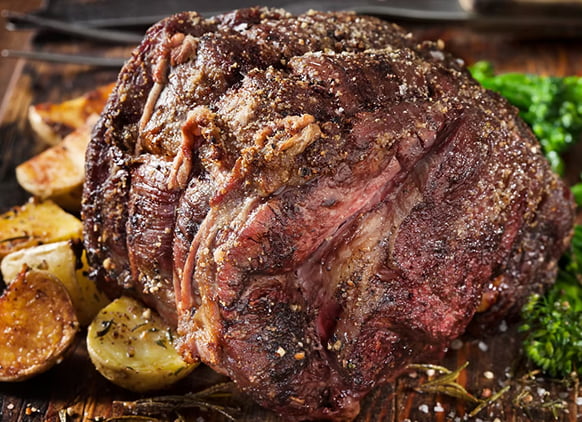
Our roast will look darker than the beef you are used to seeing at the grocery store. The deep color is a natural result of how the animal was raised, how the beef was aged, and how the cuts were packaged.
The shoulder muscle that the chuck roast comes from is one of the hardest-working parts of the animal. Hard-working muscles contain more myoglobin, a protein that stores oxygen and gives beef its red color. More myoglobin creates a deeper, richer color.
During dry-aging, moisture slowly leaves the meat, concentrating the beef’s flavor and natural color. The outside of a dry-aged chuck roast may look darker and slightly drier than a typical grocery store roast.
Much of the beef you see in the grocery store is packaged to keep it a bright cherry-red color while it sits in the display case. It doesn’t indicate quality or improve the taste; it just makes the meat appear bright.
Instead of this packaging, we choose to vacuum seal our beef. This protects the meat from drying out, slows down bacterial growth, and can lead to juicier meat. It also typically makes the meat look much darker. Typically, a burgundy or deep purple-red.
Some shoppers mistakenly think that the darker color means the meat is spoiled or lower quality. Once the package is opened and the roast is exposed to oxygen, the surface color will usually brighten within a few minutes.
How many people does a grass-fed chuck roast feed?
A two- to three-pound roast comfortably serves four to six people. The chuck roast from a Dexter may run slightly smaller than a commercial Angus chuck. Dexter’s smaller frame results in proportionally smaller shoulder muscles.
What is the best way to store a leftover braised chuck roast?
One of the best things about braised chuck roast is that the leftovers can be just as good the next day.
Cool the roast until it stops steaming, and move it to the refrigerator within two hours. Store the roast with its braising liquid in a sealed container. The liquid may turn into a soft jelly overnight in the refrigerator, but that’s completely normal. It’s a sign that the collagen has broken down and created gelatin, which is exactly what you want in a well-cooked braise.
When you’re ready to reheat it, place the roast and the thickened cooking liquid in a covered pot or Dutch oven over low heat. As it warms, the gelatin will melt back into a rich sauce that keeps the meat moist. If the liquid is too thick, add a small splash of beef stock or water.
A properly stored chuck roast will keep in the refrigerator for about four to five days. If you want to store it longer, shred or slice the cooled meat and freeze it in portions with some of the braising liquid. Once frozen, it will keep well for up to three months and reheat beautifully.