Beef aging isn’t a premium add-on. It’s a standard step on its way from the farm to your kitchen. Fresh-cut beef is tougher immediately after slaughter, and the aging period allows natural enzymes to break down muscle proteins, improving tenderness.
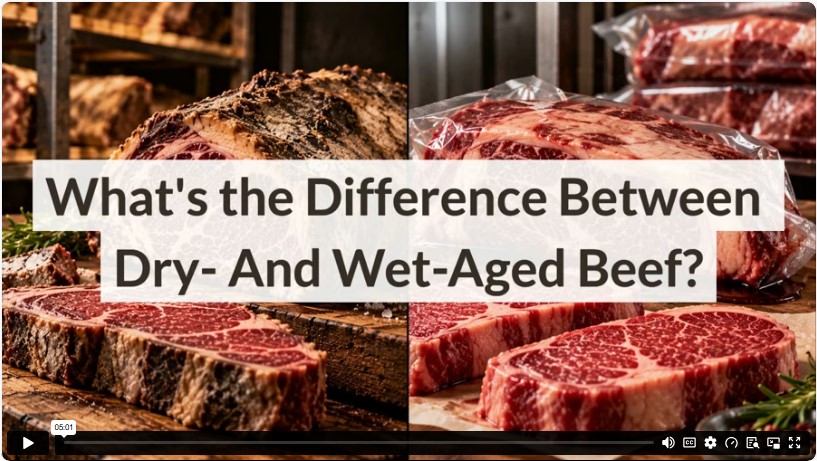
It’s not usually a matter of if the beef is aged, but how. Wet-aged beef rests inside a vacuum-sealed package. Dry-aged beef rests uncovered in a carefully controlled environment.
Both methods can tenderize beef. But dry aging also changes the flavor in ways that wet aging doesn’t.
How Wet Aging Works
Wet-aged beef became the dominant commercial method as vacuum-sealed packaging grew more common in the 1960s and 1970s.
After processing, beef cuts are sealed in airtight plastic bags and kept cold for a set period. Natural enzymes continue to break down muscle proteins inside the package, helping tenderize the beef.
Because the package is sealed, almost no moisture escapes. The producer keeps more of the beef’s original weight and doesn’t lose a dry outer crust to trimming. That makes wet aging practical for beef sold in large amounts.
Wet aging also makes beef easier to ship and store while preserving more of the original cut. That’s a big reason it’s so common in grocery stores and restaurants.
Flavor-wise, wet-aged beef is typically what most people recognize. Some notice slightly tangy or metallic notes in wet-aged cuts, especially after longer aging.
How Dry Aging Works
Dry aging keeps beef exposed to air in a room with carefully controlled temperature, humidity, and airflow.
As the beef rests, natural enzymes help tenderize the muscle. Moisture also leaves the meat, which concentrates the flavor that’s already there.
A dry crust forms on the outside during aging and is trimmed before the beef is sold. The producer loses that trim along with the weight lost to evaporation.
That’s part of why a dry-aged beef steak costs more. There’s less of the original beef left to sell, and the process takes dedicated space and careful environmental control.
The tradeoff is that dry-aged beef develops flavors that wet aging doesn’t produce in quite the same way.
How Dry Aging Changes Flavor
There’s more to dry aging than evaporation. Proteins and fats also change during aging.
As water leaves the beef, the flavors already present become more concentrated. Those changes can also create new flavor compounds.
The result can range from a deeper beef flavor to nutty, earthy, roasted, or savory notes. The exact taste depends on the cut, fat content, aging period, and conditions inside the aging room.
A longer age doesn’t automatically make beef better, though. As the process continues, the flavors grow stronger and can eventually become funky or sharp. Some diners love that intensity, while others prefer a shorter aging that doesn’t change the beef’s character as dramatically.
Why Dry-Aged Beef Cooks Differently
Dry-aged beef also behaves a little differently in the kitchen.
Because some moisture has already left the meat, the exterior tends to be drier than wet-aged beef. A dry surface makes it easier to build a browned crust when the steak hits a hot pan.
That doesn’t mean a dry-aged beef steak needs a completely different cooking method. You still want a hot cooking surface and good temperature control, plus enough time to brown the outside without overcooking the center.
Those changes happen before the steak ever reaches the pan or grill. Once it cooks, the concentrated flavor of dry-aged beef becomes easier to taste.
Why Wet-Aged Beef Still Has a Place
The wet-aging process solves several real problems for beef producers. It produces tender beef while preserving more of the original weight and avoiding trim loss. The process also requires less specialized equipment and space.
That’s one reason wet-aged beef dominates grocery stores and restaurants and is what most consumers grew up eating.
The dry-aging process is a lot more work for the producer. Beef loses sellable weight through evaporation and trimming, and the aging room itself takes space and careful control.
Neither method is automatically better. The choice depends on what result you’re looking for as you cook.
What Changes When the Whole Steer Is Dry-Aged
Many producers reserve dry aging for premium cuts like the rib and loin, where ribeye and New York strip steaks can command higher prices. Less expensive cuts often don’t receive the same treatment.
Mahanaim Farms takes a broader approach.
At Mahanaim Farms, we dry-age the whole steer for at least 14 days before it’s butchered into individual cuts. This means the beef that ends up as roasts, short ribs, and ground beef goes through the same aging process as premium steaks.
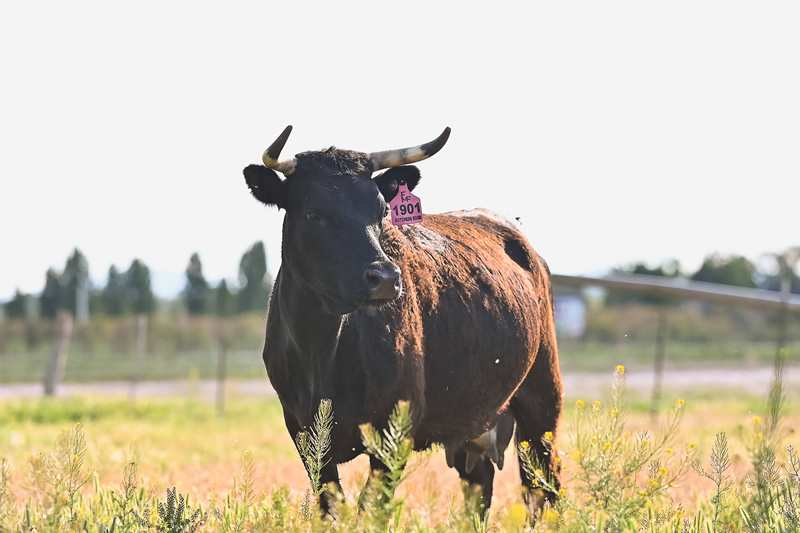
We start with grass-fed Dexter beef from cattle raised entirely on grass and forage for about 30 months. Dexter cattle are known for fine spider marbling, with fine streaks of intramuscular fat running throughout the muscle. That marbling, paired with slower maturity and an all-grass diet, helps shape the beef’s flavor before the aging process begins.
Dry aging builds on qualities already present in the beef, including its breed, diet, maturity, and fat.
What to Look for When You Buy Aged Beef
A dry-aged label tells you something important about how the beef was handled after processing, but it doesn’t tell the whole story.
When you’re shopping for dry-aged beef, ask how long it was aged. Find out whether the producer ages all of its cuts or only the premium ones. You can also look at the breed, diet, and source of the beef.
Those details give you a clearer picture of what you’re paying for.
Video