
You already know the difference between a supermarket tomato and an heirloom one. You’ve tasted the contrast between mass-produced cheddar and a properly aged farmstead cheese. You’ve waited on a slow-fermented sourdough loaf because you know the result is worth it.
Why is the beef in your kitchen still coming from a grocery shelf?
Heritage Dexter beef belongs in the same category as the premium foods you already seek out. It’s not a trend. It’s not a marketing label. It is a fundamentally different product, raised differently, aged properly, and built around the same principles you apply to every other artisan ingredient in your kitchen.
The Real Meaning of Premium
Premium doesn’t mean expensive. It means intentional.
When you buy heirloom produce, you’re paying for genetic lines developed and selected over generations for flavor and quality. Industrial agriculture has instead prioritized speed and profit.
When you choose an artisan cheese, you’re choosing a product carefully created and controlled. The milk source, the culture, and the aging environment all affect the result.
When you wait for slow-fermented sourdough, you’re choosing a process that can’t be rushed without losing what makes it worth eating.
Each of those choices comes down to the same thing: quality over convenience.
That’s exactly what premium beef should be. It’s not a fancy label on a grocery package or a vague claim about being “natural” or “raised responsibly.” It’s a real farm, a real animal, a traceable process, and a flavor that reflects all of it.
The Dexter Difference
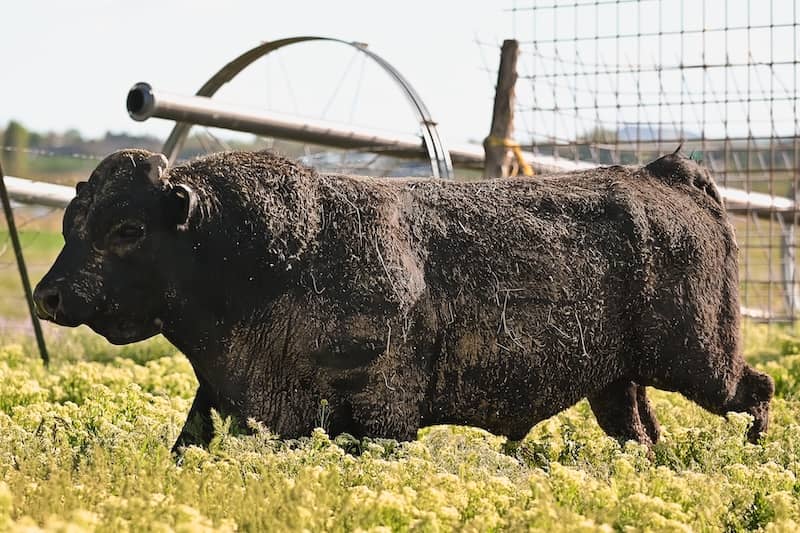
Dexter cattle are a heritage breed. They are smaller-framed than the Angus and other cattle used in most commercial beef production. That smaller frame produces smaller muscle fibers, which, in turn, create a finer-grained texture in the meat.
Dexter cattle beef also marbles differently. Instead of the thick, waxy ribbons of fat you see in commodity beef, it develops what is called spider marbling. This fine, web-like fat distribution spreads throughout the muscle. It doesn’t just look different; it affects how the beef cooks and how it tastes.
Heritage breeds like Dexter weren’t selected for speed or scale. They were developed over centuries for hardiness, foraging ability, and meat quality. Industrial breeding works in reverse. Commercial cattle are selected to grow fast, reach slaughter weight quickly, and produce a consistent, standardized product.
Dexter cattle stand apart as the heirloom option.
The Slow Road to Better Flavor
Think about what makes a slow-fermented sourdough loaf taste different from grocery-store bread. The time it takes to create sourdough is an essential part of the process. The longer fermentation builds complexity, depth, and structure that a fast-rise could never replicate.
The same logic applies to beef.
Most commercial cattle reach slaughter weight in 14 to 18 months. A good heritage beef farmer will target a maturity of around 30 months. That slower timeline allows muscle fibers to develop fully, fat to distribute more evenly, and flavor to build in a way that accelerated cattle production can’t produce.
After slaughter, heritage farmers may dry age the beef, sometimes for 14 days or more. Dry aging concentrates flavor and tenderizes the meat through a natural process. Every cut, including the beef used for ground beef, can be dry-aged for peak taste and texture. But most commercial producers skip this step entirely.
Slow maturity and proper dry aging are steps that take time and resources and create a premium product.
The Grass-Finished Distinction
“Grass-fed” is one of the most misused terms in the beef industry. Many cattle labeled grass-fed are grain-finished, meaning they spend the final weeks or months of their lives in a feedlot eating grain to add weight and fat quickly.
Grass-finished means the animal ate grass from beginning to end, with no grain finishing and no feedlot transition. The flavor and fat composition of the beef reflect that.
A farm that raises 100% grass-fed and grass-finished cattle prioritizes quality beef.
The Case for Single-Farm Sourcing
Most beef, even premium-priced beef, is blended from multiple sources. Ground beef, especially, can contain meat from dozens of animals across multiple operations. There is no single farm, no single set of practices, and no single point of accountability. This mixture can lead to a disappointing, mediocre product.
Because so many variables can affect how beef turns out, it’s important to source your meat from a reputable, single-farm source. These are animals bred, raised, and finished on the farm. Each animal’s full genetic history is tracked, and the farm doesn’t aggregate beef from outside sources.
The Difference at the Plate
All of this matters most when you are cooking.
Grass-finished heritage beef cooks differently from conventional beef. It’s leaner, which means it needs slightly lower heat and a little more attention. The payoff is a more complex flavor that reflects the animal’s diet and the time taken to raise it.
The fine-grained texture of Dexter beef makes it suitable for a wide range of cuts and preparations. From a dry-aged boneless ribeye seared in a cast-iron skillet to a chuck roast braised for hours, the beef shines.
The Premium Kitchen
The top-quality ingredients you already seek out share a common thread. They come from producers who made deliberate choices at every stage of the process: which variety to grow, which method to use, how long to let things develop, and which shortcuts to refuse.
At Mahanaim Farms, our Heritage Dexter beef fits that standard. Every step in our process is intentional, and you already know the difference intention makes.
Video

Infographic
Heritage Dexter beef stands for a different standard of quality, one built on intention, traceability, and a refusal to cut corners at any stage. Explore key reasons heritage beef belongs in a premium kitchen in this infographic.
